Rural Regenerator Fellowship: Connection, Exchange and Solidarity
By Springboard for the Arts
In September 2022, Springboard for the Arts selected 9 new artists from across the Upper Midwest to participate in the Rural Regenerator Fellowship. Each Fellow received $10,000 in flexible funds to support or expand their existing work, and engaged in two years of learning exchanges with their peers, building a network of rural artists committed to strengthening their communities through art and creativity.
The 2022–24 cohort of Rural Regenerator Fellows cultivate in their rural places and beyond by creating art that explores identity, cultural reclamation, and community healing. From dance and painting to traditional craft, sewing, and songwriting, these artists use their creative practice as a grassroots organizing tool to combat complacency, equitably rebuild systems, and deepen understanding across generations and cultures.
The Rural Regenerator Fellowship was launched in 2021 and builds on Springboard’s long-standing work supporting creative rural leaders across the Upper Midwest. Designed to strengthen networks of artists and cultural workers in rural places, the Fellowship provides flexible financial support and opportunities for cross-community exchange.
“We started the Rural Regenerator program at Springboard to build on our belief that our region’s rural resilience is a product of the relationships we have,” said Michele Anderson, Rural Program Director at Springboard for the Arts. “The artists in this cohort have already made huge strides in leading change in their communities, and we’re thrilled to provide them with new support and space for shared learning and ideas across geographies.”
Throughout their two-year fellowship, Cohort 2 members gathered to share not only their creative practices but also their lived experiences navigating issues of community organizing, belonging, and cultural survival. Their work demonstrates that art in rural places is a powerful way to repair harm, celebrate heritage, and build systems of care that extend across generations.
“Being a recipient of this amazing fellowship opportunity has helped me deepen into some community projects, or community networks I was previously connected to, but now I’m seeing as a renewed investment — a renewed purpose in doing that.” said Rufus Jupiter, whose rural creative practices include flower farming, visual art, and Somatic dance and movement. “It’s moved me to look at the established rural narrative of who belongs and who doesn’t and work toward shifting for people whose experiences are left out of that narrative.”
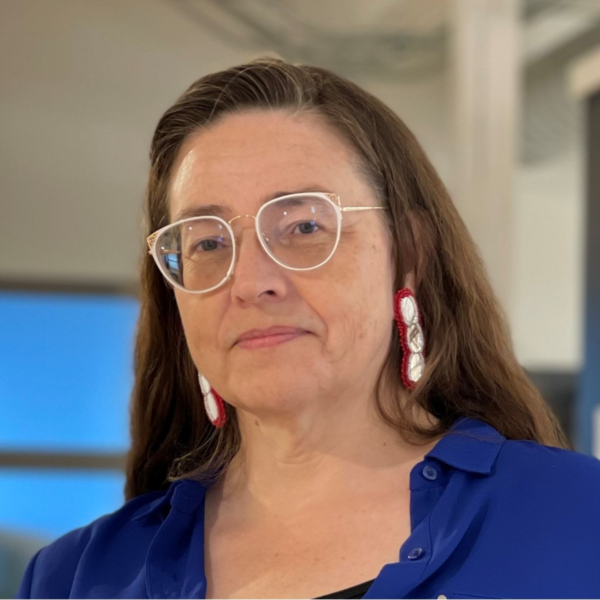
Penny Kagigebi
She/her/hers
Detroit Lakes, MN
Penny Kagigebi (White Earth Ojibwe-descendant) creates traditional Ojibwe art with a focus on birchbark basketry and quillboxes. A QUEER2-Spirit activist, she seeks QUEER2-Spirit cultural reclamation with the understanding that nothing is ever really lost – everything needed has been left for us and in us. She describes herself as an advocate for joy and Mino-Bimaadiziwin (good life/good health) through Ojibwe Culture and Arts.
Penny and her also-artist husband Rick Kagigebi have been called “the last people on earth without a cell phone”. But they’re happy to borrow yours.
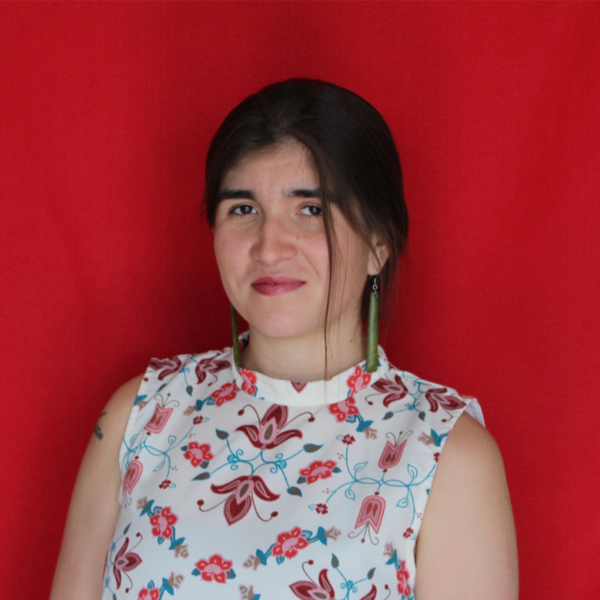
Wicanhpi Iyotan Win Autumn Cavender
She/her/hers
Granite Falls, MN
Wicanhpi Iyotan Win Autumn Cavender is a Wahpetunwan Dakota artist, midwife and activist who lives and works near her home community of Pezihutazizi K’api Makoce (Upper Sioux Community). Dedicated to the work of decolonization, Cavender believes that art, birth, and community-integrated work are crucial for the collective liberation of the whole. When she’s not catching babies, quillworking, or philosophizing about anti-colonial politics, Cavender enjoys playing with her two sons, lounging in hammocks with her partner, and going on walks with her over-hyper dog.
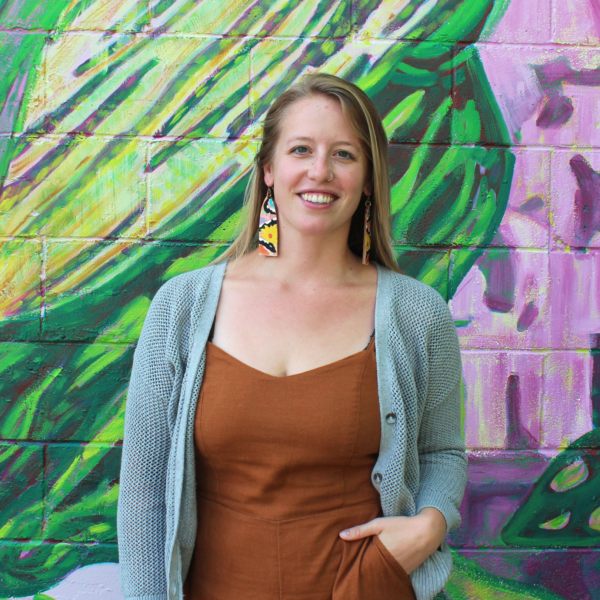
Melissa Wray
She/her/hers
Caledonia, MN
Community and storytelling are at the heart of Melissa Wray’s creative practice, rooted in the Driftless area of southeast Minnesota. After over a decade in the Twin Cities area, Melissa moved back to her small hometown of Caledonia, MN in 2019 to collaboratively start a nonprofit arts and community center called Mainspring in a vacant church building on Main Street. Currently, she spends most of her days as the volunteer founding director of Mainspring and program director at Lanesboro Arts. Other hats that Melissa wears in her rural communities include fledgling sheep farmer, occasional podcaster, and sewing enthusiast. She received her Masters in Arts & Cultural Leadership from the University of Minnesota in 2018.
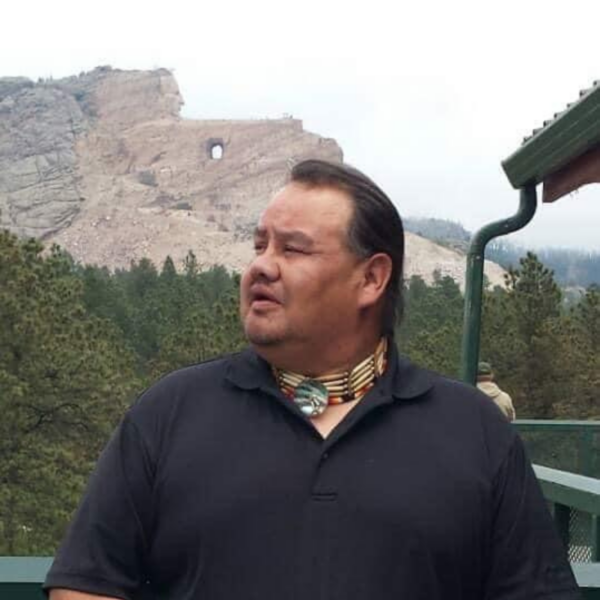
Lyle Miller Sr
He/him/his
Mitchell, SD
Lyle Miller’s great grandmother is Josephine Pretty Feather and his great grandfather is Mose Song Hawk.
His Grandmother is Sophie Song Hawk and his Grandfather is Silas Dog Soldier. Therefore he is both Yankton and Rosebud Sioux. (Ihanktonwan na Sicangu Oyate) They are known as the Seven Council Fires, (Oceti Sakowin). His parents are Roberta Dog Soldier and Harold “Curly”Miller.
Lyle has five children and is a single father. He was married 24 years to Crystal Taylor-Miller and lost her to cancer on August 24, 2006.
He is a retired teacher and a veteran of the US Army, a Sundancer and traditional dancer. He was Director of Tribal Historic Preservation for the Yankton Sioux Tribe and later Repatriation Specialist for the Crow Creek Sioux Tribe. Lyle currently practices his artwork professionally and is at home in Mitchell, SD.
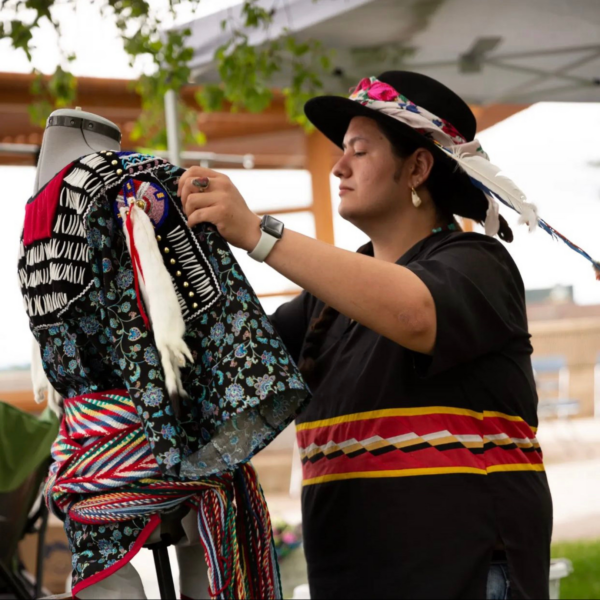
Awanigiizhik Bruce
They/them/theirs
Belcourt, ND
Awanigiizhik Bruce (Mikinaak-Wajiw Anishinaabe, Nehiyaw, Michif) is a diverse media artist, poet, storyteller, traditional knowledge/language teacher, community leader/organizer, researcher, consultant, and tour coordinator. Based from the Turtle Mountain Reservation, Awanigiizhik’s diverse artistic media techniques utilize their culture, history, and Indigenous world-view, as well as exploring their scientific interests and processes. Their artistic vision has a two-prong approach: one is to continue making ancient artforms relevant today, while the other is to help design what Indigenous Futurisms look like. Awanigiizhik utilizes our current technology and uses this to metamorphosize our Indigenous art today. Awanigiizhik (uh-WUH-nih-KEY-shick) means Foggy-Cedar in Ojibwe. Follow Awanigiizhik’s work on Instagram and Facebook.
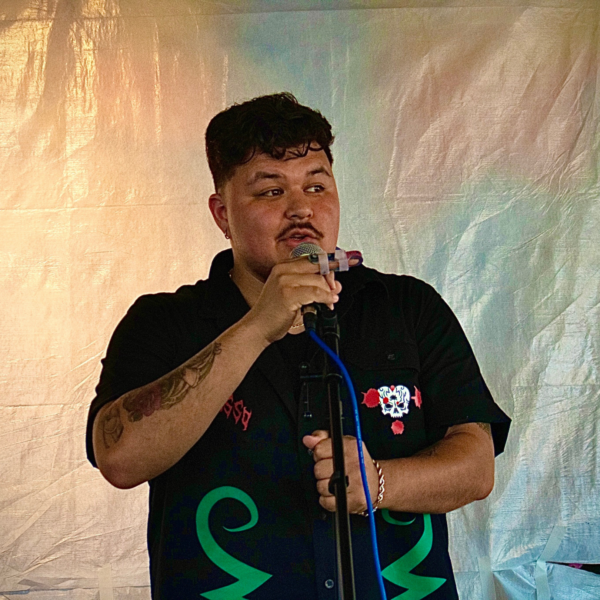
Siricasso Garcia
He/him/his
Huxley, IA
Siriaco “Siricasso” Garcia is an Artist, Event manager and Community leader. With a focus and appreciation of art from a young age, Siricasso fully dove into painting after graduating High School. He fell in love with being able to tell stories with his work through synthesizing experiences growing up and letting the world know what he’d gone through.
He’s heavily inspired by his family to create the best work he can and support them with his art. Doing full time commission work, he has painted several murals across central Iowa in addition to having his own clothing brand that has a strong following in Ames
With a hope to inspire as many people as he can with his work and actions, he frequently collaborates with other artists of all different facets to be able to bring art to communities he works in. This is best seen through the art events he hosts regularly to help other artists get exposure to people they would never have encountered and help foster a confidence in their ability to present their work to others.
Past that, art is his love and foundation. He hopes to create art as long as he can and help others find that love themselves. #SavetheArt, learn more at siricasso.com.
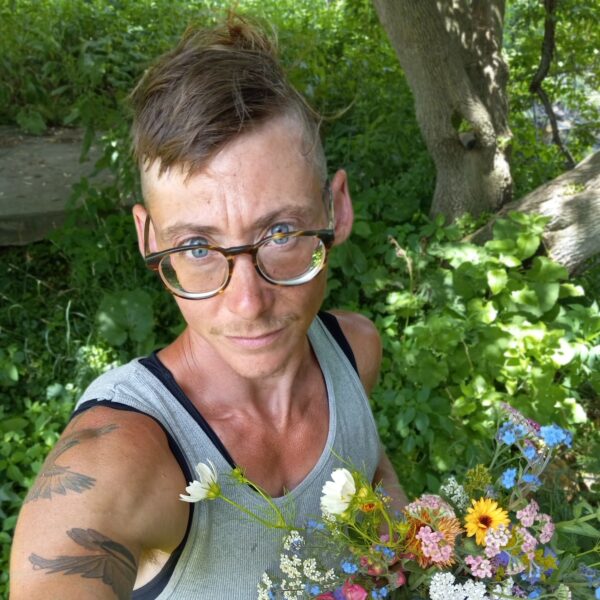
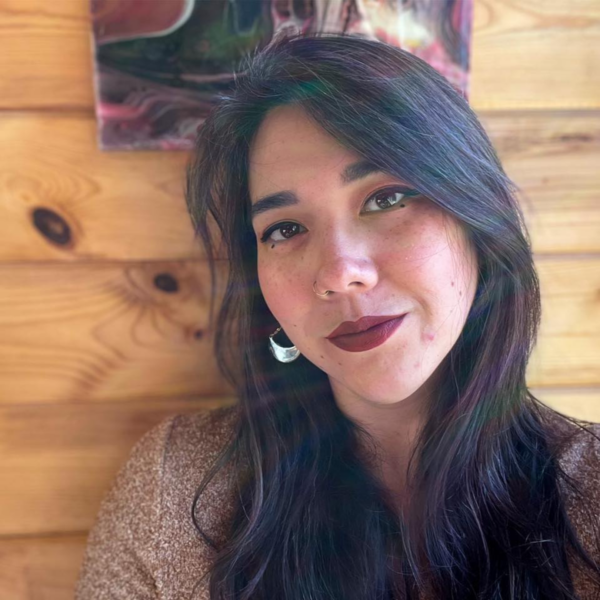
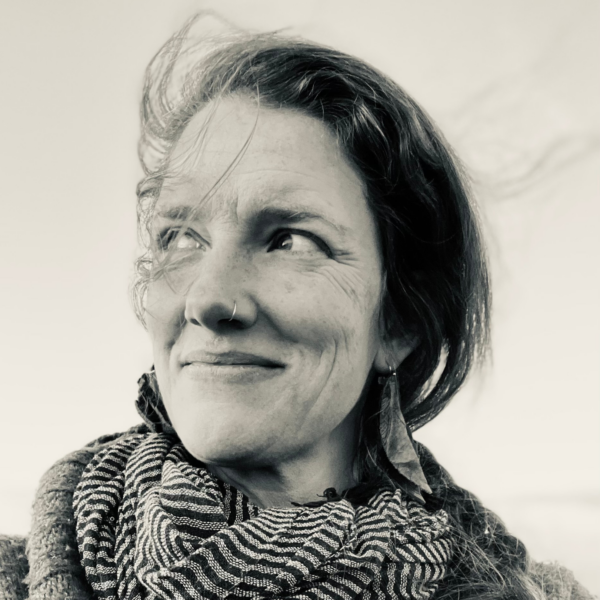
Rufus Jupiter
They/them/theirs
Viroqua, WI
Snuffling around the edges of possibility, Rufus Jupiter is a humxn animal dwelling in the rural landscape of the midwest’s Driftless region. An artist, dancer, farmer, educator, & activist, Rufus immerses themself in themes of liminality, queerness, ecology, mythologies, & justice. Through creative collaboration & community building, they have faith that rural queer culture can transcend its longstanding story of isolation & otherness, blooming a new queer narrative. When asked the hypothetical question “What type of bug would you be?”, Rufus reliably answers with “stag beetle”.
Nancy XiáoRong Valentine
She/her/hers
Underwood, MN
Nancy XiáoRong Valentine is a Chinese American artist living and making a life in rural Otter Tail County, Minnesota. Conceived as the second child of a family residing in Lanzhou, Gansu during the era of China’s ‘One Child Policy,’ Valentine views her artistry as a channel to deepen her cultural connections to and between her Chinese heritage and Midwestern roots. Valentine’s artwork is woven with nuance and symbolism resulting in conceptually complex visual stories meant to evoke empathy. Outside of the studio, Nancy can be found wandering in the woods foraging for fungi. Learn more at nancyxvalentine.com.
Eliza Blue
She/her/hers
Bison, SD
Eliza Blue is a writer, folk-singer, environmental advocate and rancher living in western South Dakota. Her work touches on everything from raising her family to reforming agricultural systems and practices to upcoming projects connecting traditional festivals and celebrations to their agrarian roots.
In addition to writing and recording music, Blue is a regular contributor for many digital and print publications and the author of a weekly column, Little Pasture on the Prairie. She has also published a book, Accidental Rancher, and produces and hosts a traveling concert television show celebrating rural life for PBS: ‘Wish You Were Here with Eliza Blue.’ Learn more at elizablue.net.
The Rural Regenerator Fellowship is a two-year fellowship that brings together rural artists, creatives, and culture bearers to deepen their relationships, grow their work, and support rural exchange and solidarity across the Upper Midwest. Learn more.
Help Artists Thrive Donate